Die Realität in vielen linken Gruppen ist ernüchternd: Organisatorische Stagnation und ein hoher innerer Partizipationsaufwand. Dieses System verschleißt motivierte Aktivist*innen bis zum Burnout und hält Barrieren aufrecht, die eine breitere und diversere Beteiligung verhindern. Sowohl die oft hohen Erwartungen der aktivistischen Mission als auch der hohe innerpolitische partizipatorische Aufwand halten die Schwelle zur Beteiligung unnötig hoch. Hinzu kommt, dass wertvolle organisatorische Errungenschaften ständig neu erfunden werden müssen, da das kollektive Wissen nicht angemessen festgehalten und weitergegeben wird.
Diese organisatorischen Defizite verhindern die notwendige Ausweitung unserer gemeinsamen Macht. Deshalb müssen wir aufhören, digitale Infrastruktur als zweitrangiges technisches Problem zu betrachten, und sie als das begreifen, was sie ist: dasSubstrat, auf dem moderne Gegenmacht aufgebaut werden muss.
Der Appell ist klar: Wir müssen digitale Werkzeuge nutzen.
Loomio dient der dezentralen, asynchronen Entscheidungsfindung in Gruppen, und
Decidim ermöglicht skalierbare, großflächige Partizipation. Beide sind erprobte, freie und quelloffene Plattformen. Loomio erinnert an Team-Apps wie Slack, besitzt aber eingebaute Funktionen für demokratische Abstimmungen. Decidim ist modularer und darauf ausgerichtet, Ideen aus der Basis zu Anträgen auszuarbeiten und diese zu verabschieden. Diese Plattformen sind die Schlüssel zur Überwindung jener informellen Hierarchien, zu denen hochschwellige Gruppen tendieren. Die unmittelbaren Vorteile für unsere Basisarbeit sind:
- Niedrigschwelligkeit: Diese Werkzeuge brechen das Monopol derer, die über die meiste Freizeit verfügen. Durch asynchrone Entscheidungsfindung überwinden wir die Barrieren des Lohnarbeitsalltags und der Sorgepflichten. Politische Handlungsfähigkeit ist nicht mehr nur denjenigen vorbehalten, die sich stundenlange Abendplenen leisten können; sie wird vom Arbeiter im Bus oder der Mutter zu Hause zurückerobert. Partizipation wird mit dem Alltag verwoben, statt eine erschöpfende Zusatzbelastung zu sein.
- Transparenz: Diese Plattformen schaffen ein unverzichtbares Maß an Nachvollziehbarkeit. Da alle Diskussionen, Argumente und finalen Beschlüsse offen dokumentiert werden, wird die Entscheidungsfindung überprüfbar und selbst für später beigetretene Mitglieder nachvollziehbar.
- Skalierbarkeit: Diese Systeme sind auf Wachstum ausgelegt. Sie dienen der kleinen Gruppe ebenso wie Tausenden von Beteiligten – vom Hausprojekt bis zur partizipativen Haushaltsplanung einer Großstadt wie Barcelona, wo Decidim ursprünglich entwickelt wurde. Sie übersetzen die Prinzipien von Selbstverwaltung und Solidarität direkt in eine funktionierende, skalierbare digitale Infrastruktur.
Die Technopolitische Dimension
Doch diese digitalen Plattformen sind mehr als nur effiziente Apps; sie besitzen eine tiefere, technopolitische Dimension. Sie sind die Infrastruktur eines basisdemokratischen Machtaufbaus.
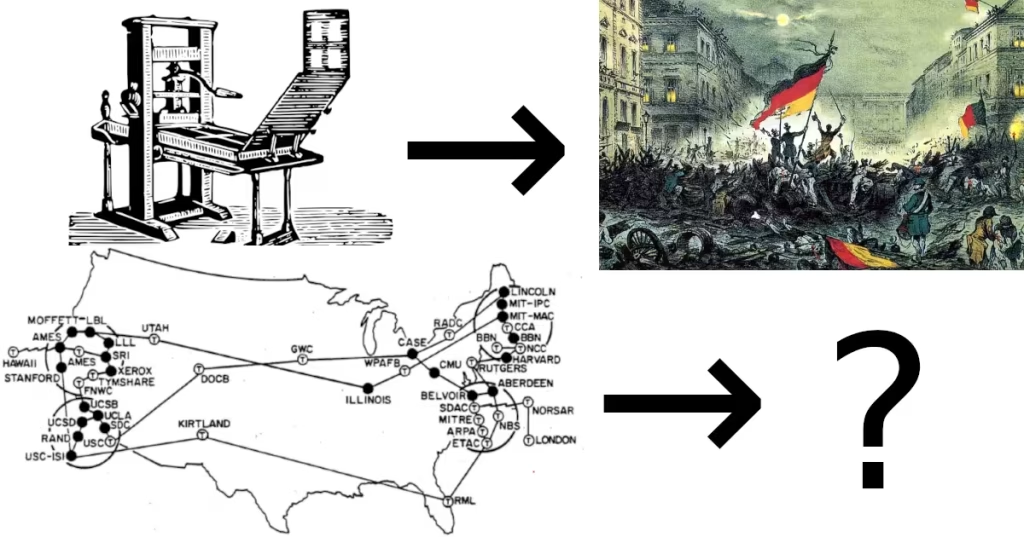
Um ihr Potenzial zu verstehen, blicken wir zurück auf den
Printkapitalismus: Der Soziologe Benedict Anderson beschrieb in seiner Analyse der Nationalstaatsbildung, wie die Druckerpresse im 18. Jahrhundert zum Katalysator für eine tiefgreifende gesellschaftliche Umwälzung wurde. Indem sie die Voraussetzung für eine
bürgerliche Öffentlichkeit schuf und es Menschen ermöglichte, sich über gedruckte Medien als Teil einer Nation zu identifizieren, ebnete sie den Weg für den Aufbau der bürgerlichen Subjektivität und Macht. Diese Koordination über große Distanzen hinweg schuf die strukturelle Basis für eine Welle bürgerlich-nationalistischer Revolutionen. Die Technologie allein bestimmte nicht die Gesellschaft, aber sie schuf die
Voraussetzung für diese neuen Machtkonstellationen.
Heute stehen wir vor einer ähnlichen strukturellen Öffnung, jedoch mit sozialistischer Ausrichtung. Wir haben die Chance, diese Technologien zu verbreiten, um den Aufbau einer robusten Gegenmacht zu fördern. Dies ist der Ansatz des
linken Akzelerationismus:
"Während die Argumente der Techno-Utopisten darauf beruhen, dass Beschleunigung zur automatischen Überwindung politischer Konflikte führt, behaupten wir, dass die Technologie genau darum beschleunigt werden muss, weil sie dazu gebraucht wird, soziale Konflikte für sich zu entscheiden."
Loomio und Decidim sind die konkreten, praktischen Manifestationen dieses Prinzips: Sie ermöglichen strukturiertere, niedrigschwellige und breitere demokratische Partizipation und liefern damit die Werkzeuge, um soziale Konflikte zu unseren Gunsten zu entscheiden.
Es ist höchste Zeit, die Einbindung dieser Plattformen zum Kern unserer Organisationsstrategie zu machen. Das Wichtigste ist der
Aufbau kollektiver Kapazität: Wir müssen lernen, diese Infrastrukturen zu meistern – nicht nur aus Gründen der digitalen Souveränität, sondern um unsere Potenzial für Mobilisierung und Organisierung zu maximieren. Die Beherrschung dieser Werkzeuge katalysiert das Wachstum unserer Bewegungen über die Grenzen des lokalen Aktivismus hinaus. Jede Organisation muss ein Experimentieren mit diesen Plattformen in Betracht ziehen.
Der Pfad zur digitalen Digitalisierung ist einer des
Experimentierens, Dokumentierens und Verbreitens. Teilt eure Erfolge, teilt eure Fehler und sorgt dafür, dass sich die Infrastruktur der Solidarität wie ein Lauffeuer verbreitet!
Abonniert meinen Newsletter auf Substack.